

When it comes to maintaining a thriving and balanced reef tank, many aquarists focus primarily on coral and fish. However, an often-overlooked component that can significantly enhance the health and beauty of your aquarium is macro algae. These versatile and beneficial plants can play a crucial role in creating a stable and vibrant aquatic environment. In this blog post, we’ll explore the various benefits of keeping macro algae in your reef tank and provide some tips on how to successfully integrate them into your setup.
What is Macro Algae?
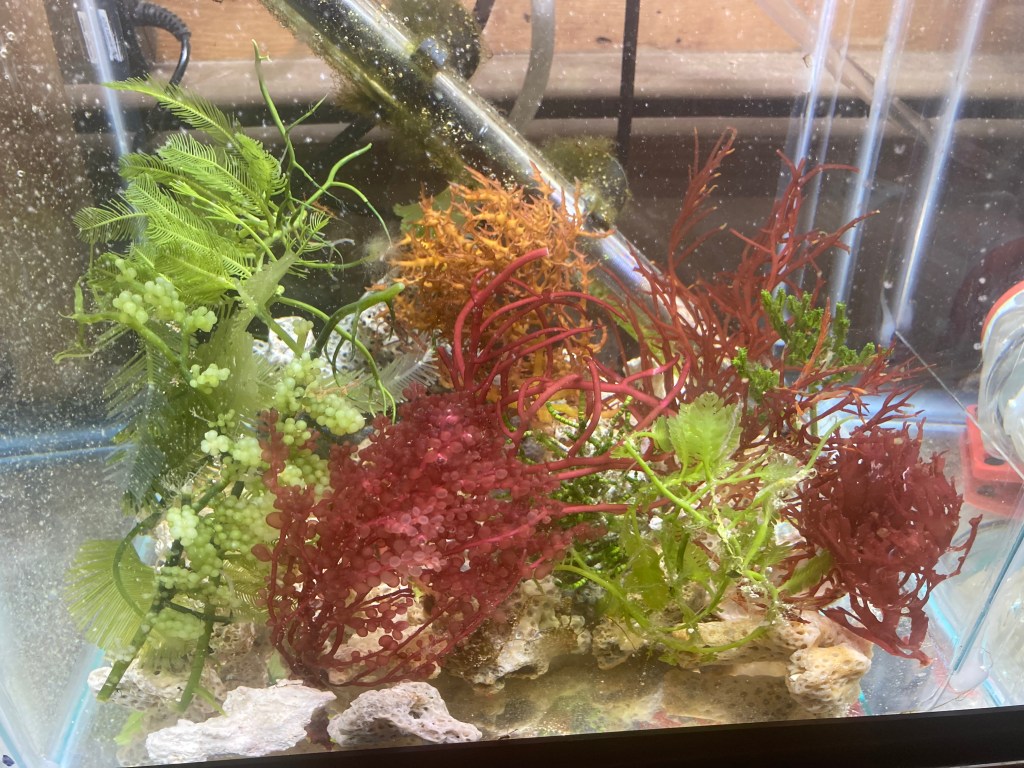
Macro algae are larger, more complex types of algae compared to their microscopic counterparts. They come in a variety of shapes, sizes, and colors, ranging from the vibrant greens of Chaetomorpha to the deep reds of Dragon’s Breath. Unlike nuisance algae, which can overrun and harm your tank, macro algae are intentionally cultivated for their beneficial properties.
Benefits of Keeping Macro Algae
1. Nutrient Control
One of the primary benefits of macro algae is their ability to absorb excess nutrients from the water, such as nitrates and phosphates. These nutrients, if left unchecked, can fuel the growth of unwanted algae and lead to poor water quality. By incorporating macro algae into your reef tank, you create a natural filtration system that helps maintain a healthy balance of nutrients, reducing the likelihood of algae outbreaks and promoting overall water quality.
2. Habitat for Microfauna
Macro algae provide an excellent habitat for various microfauna, such as copepods, amphipods, and other beneficial invertebrates. These tiny creatures play a crucial role in the reef ecosystem, serving as a food source for fish and coral while also helping to break down organic matter. By fostering a thriving microfauna population, macro algae contribute to a more diverse and resilient aquarium environment.
3. Oxygen Production
Through the process of photosynthesis, macro algae produce oxygen, which is essential for the health of all tank inhabitants. Increased oxygen levels can lead to better respiration and overall vitality for fish, coral, and other organisms. Additionally, the presence of macro algae can help stabilize pH levels, further contributing to a balanced and healthy reef tank.
4. Aesthetic Appeal
Beyond their functional benefits, macro algae can also add a unique and naturalistic beauty to your reef tank. With a wide range of colors and forms, macro algae can complement the vibrant hues of coral and fish, creating a more visually appealing and dynamic underwater landscape. Whether you choose the feathery fronds of Caulerpa or the delicate structures of Gracilaria, macro algae can enhance the overall aesthetics of your aquarium.
Recommended Popular Species of Macro Algae
When selecting macro algae for your reef tank, it’s important to choose species that are well-suited to your tank’s conditions and your level of experience. Here are some popular and highly recommended macro algae species that are known for their benefits and ease of care:
1. Chaetomorpha (Chaeto)
Description: Chaetomorpha, commonly known as Chaeto, is a bright green, filamentous algae that grows in tangled, spaghetti-like clumps.
Benefits: This species is excellent for nutrient export, particularly in refugiums, as it efficiently absorbs nitrates and phosphates. It also provides a great habitat for copepods and other microfauna.
Care: Chaeto requires moderate to high lighting and good water flow to thrive. It’s easy to prune and maintain, making it ideal for beginners.
2. Caulerpa
Description: Caulerpa comes in various forms, including feather-like fronds (Caulerpa prolifera) and grape-like clusters (Caulerpa racemosa).
Benefits: Known for its rapid growth and nutrient uptake, Caulerpa is effective at outcompeting nuisance algae. It also offers excellent hiding spots for small invertebrates.
Care: Caulerpa needs moderate to high lighting and benefits from strong water flow. Regular pruning is necessary to prevent it from spreading too aggressively.
3. Gracilaria
Description: Gracilaria is a beautiful red macro algae that forms bushy, branched structures.
Benefits: Aside from its aesthetic appeal, Gracilaria is a great nutrient absorber and can be used as a food source for herbivorous fish.
Care: This species prefers moderate lighting and moderate water flow. It is relatively slow-growing compared to other macro algae, requiring less frequent pruning.
4. Dragon’s Tongue (Halymenia)
Description: Dragon’s Tongue is a stunning red macro algae with delicate, flame-shaped fronds.
Benefits: Dragon’s Tongue is not only visually striking but also helps with nutrient control. It provides shelter for small tank inhabitants and can be an attractive addition to any reef tank.
Care: This algae requires moderate to high lighting and moderate water flow. While it grows more slowly than some other species, it still benefits from regular pruning.
5. Ulva (Sea Lettuce)
Description: Ulva, commonly known as Sea Lettuce, is a bright green, leafy algae with a thin, sheet-like structure.
Benefits: Ulva is highly efficient at nutrient uptake and is often used in refugiums. It can also be a nutritious food source for herbivorous fish and invertebrates.
Care: Ulva thrives under moderate to high lighting and moderate to strong water flow. It grows quickly, so regular pruning is essential to keep it under control.
Tips for Successful Integration
- Acclimation: When introducing new macro algae to your tank, acclimate them slowly to your tank’s water parameters to avoid shock.
- Compatibility: Ensure the macro algae species you choose are compatible with your tank’s inhabitants. Some fish and invertebrates may graze on certain types of algae.
- Regular Maintenance: Perform regular maintenance, including pruning and water testing, to keep your macro algae and overall tank environment healthy and balanced. Pruning kit
Tips for Keeping Macro Algae in Your Reef Tank
1. Choose the Right Species
Different species of macro algae have varying requirements and growth patterns, so it’s important to choose the right types for your specific tank setup. Some popular and beginner-friendly options include Chaetomorpha, Caulerpa, and Gracilaria. Research each species to ensure they are compatible with your tank’s lighting, water parameters, and inhabitants.
2. Provide Adequate Lighting
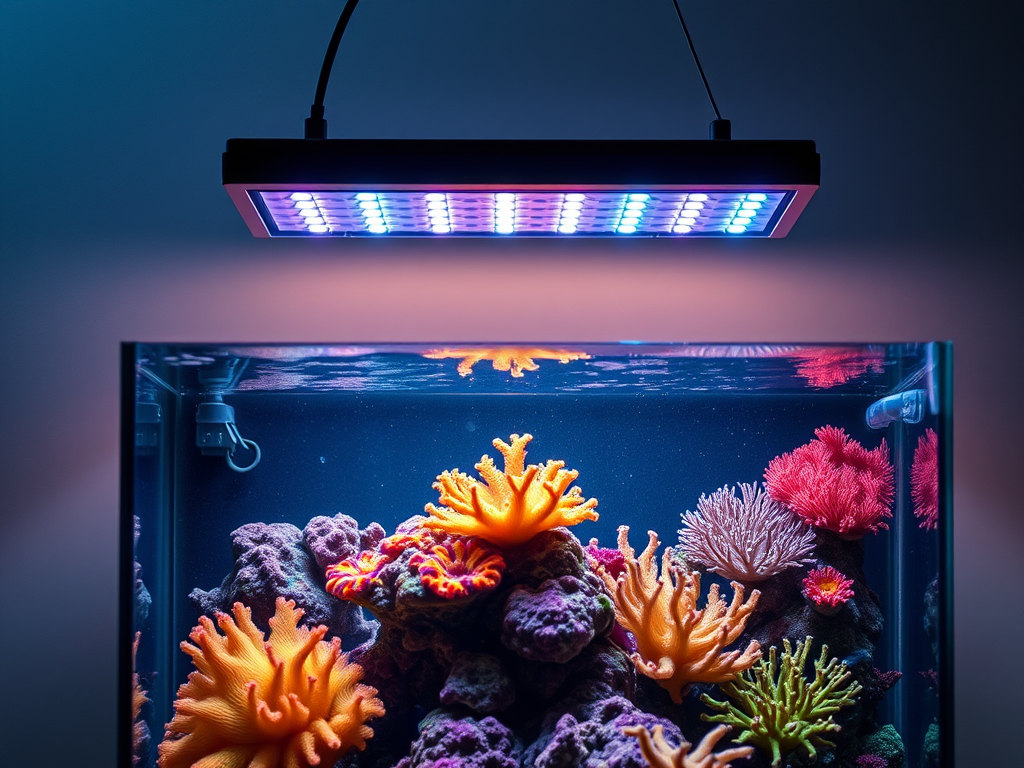
Macro algae require sufficient lighting to thrive and perform photosynthesis. Most species do well under moderate to high lighting conditions, similar to those needed for many types of coral. Ensure your lighting system provides the appropriate spectrum and intensity for the specific macro algae you are keeping. NICREW Broad Spectrum Light
3. Maintain Proper Water Flow
Adequate water flow is essential for the health of macro algae, as it helps distribute nutrients and prevent detritus buildup. Moderate to high water flow is generally recommended, but be mindful of the specific needs of your chosen species. Some macro algae prefer more gentle currents, while others thrive in stronger flow areas. For a great little pump read my review on the Jebao/Jecod ELW-3M Mini Pump
4. Regular Pruning
To prevent macro algae from overtaking your tank, regular pruning is necessary. Trim back excessive growth to maintain a balanced appearance and ensure they do not outcompete coral and other tank inhabitants for space and resources. Pruned macro algae can often be shared with fellow aquarists or used as food for herbivorous fish. Here’s an affordable kit with all the tools you’ll need.
5. Monitor Nutrient Levels
While macro algae help reduce nutrient levels, it’s important to regularly test your water parameters to ensure they remain within acceptable ranges. Sudden spikes in nutrients can indicate an imbalance that needs to be addressed. Adjust feeding, water changes, and other maintenance routines as needed to keep your tank stable and healthy. Read my article on testing supplies.
Conclusion
Incorporating macro algae into your reef tank offers numerous benefits, from nutrient control and habitat creation to oxygen production and aesthetic enhancement. By choosing the right species and providing proper care, you can create a more balanced and vibrant aquarium that supports the health and well-being of all its inhabitants. Whether you’re a seasoned aquarist or just starting out, consider adding macro algae to your reef tank and enjoy the many advantages they bring to your underwater world.




 My AIO Reef
Leave a comment