
Introduction
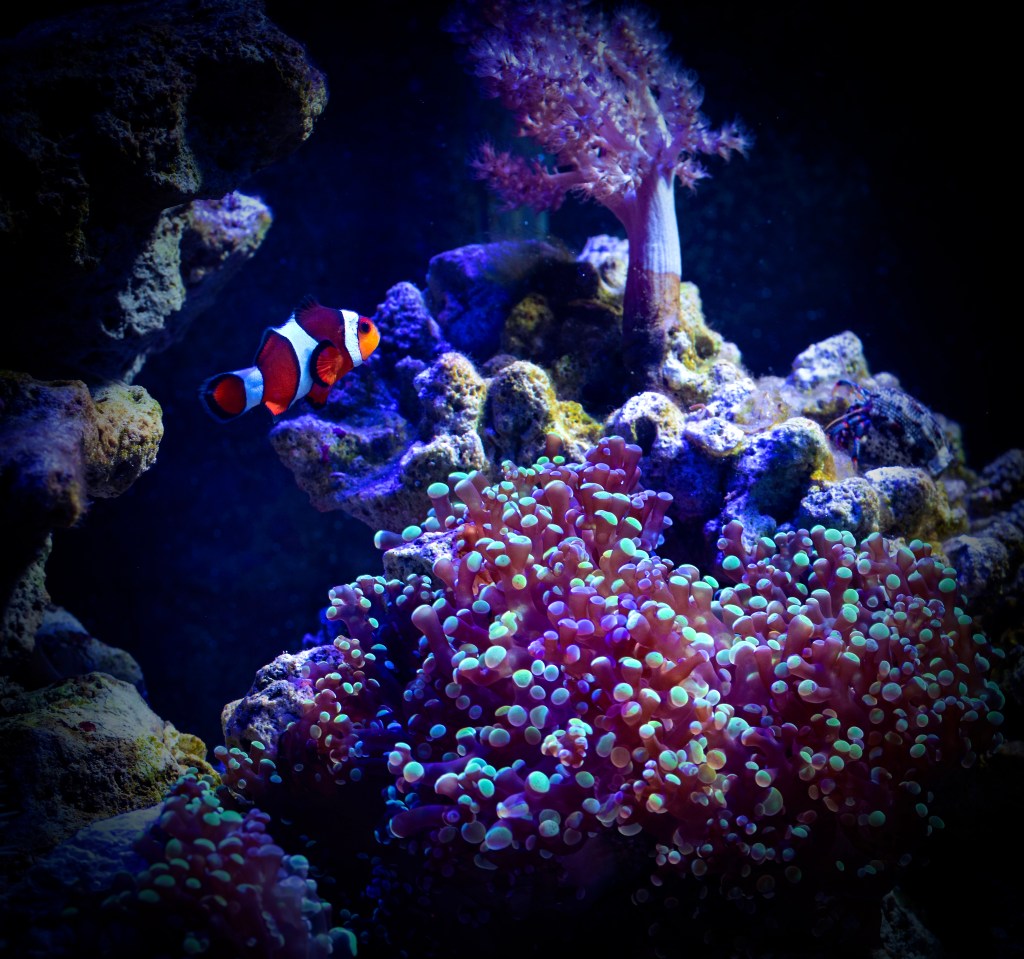
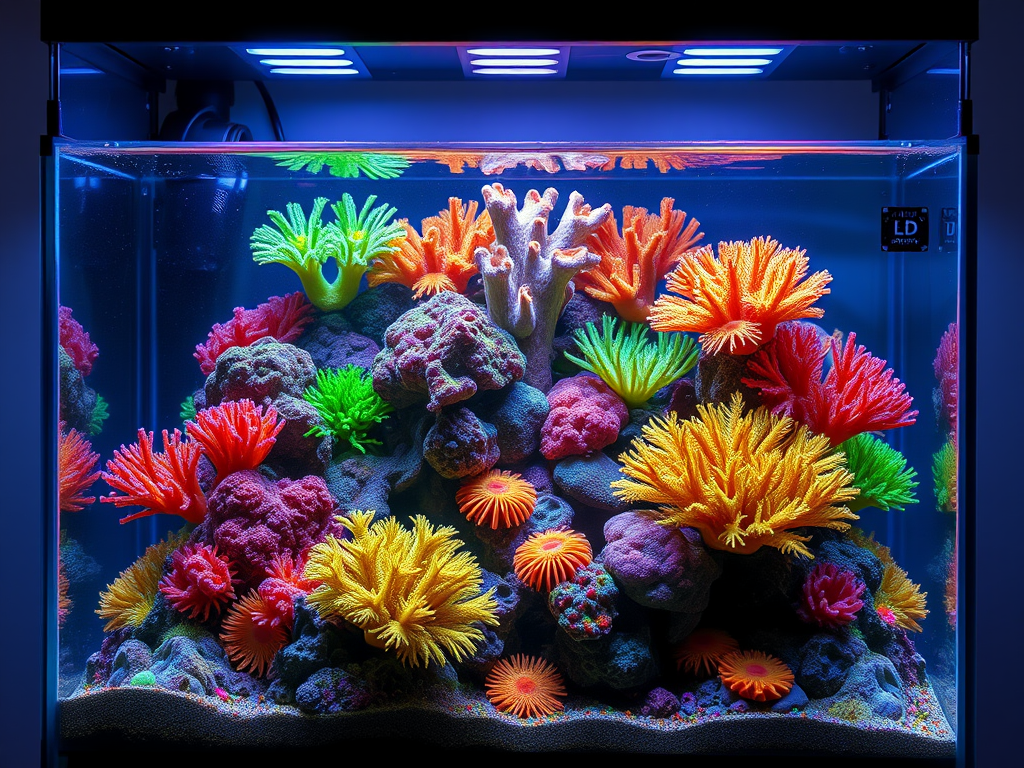
Starting a reef tank can be both exciting and overwhelming, especially when choosing the right corals for your new underwater world. As a beginner, it’s crucial to select hardy corals that are easy to care for and can thrive in a range of conditions. In this article, we’ll explore the top 10 hardy corals that are perfect for new reef keepers, along with detailed descriptions and care requirements for each.
1. Zoanthids (Zoas) and Palythoa Corals
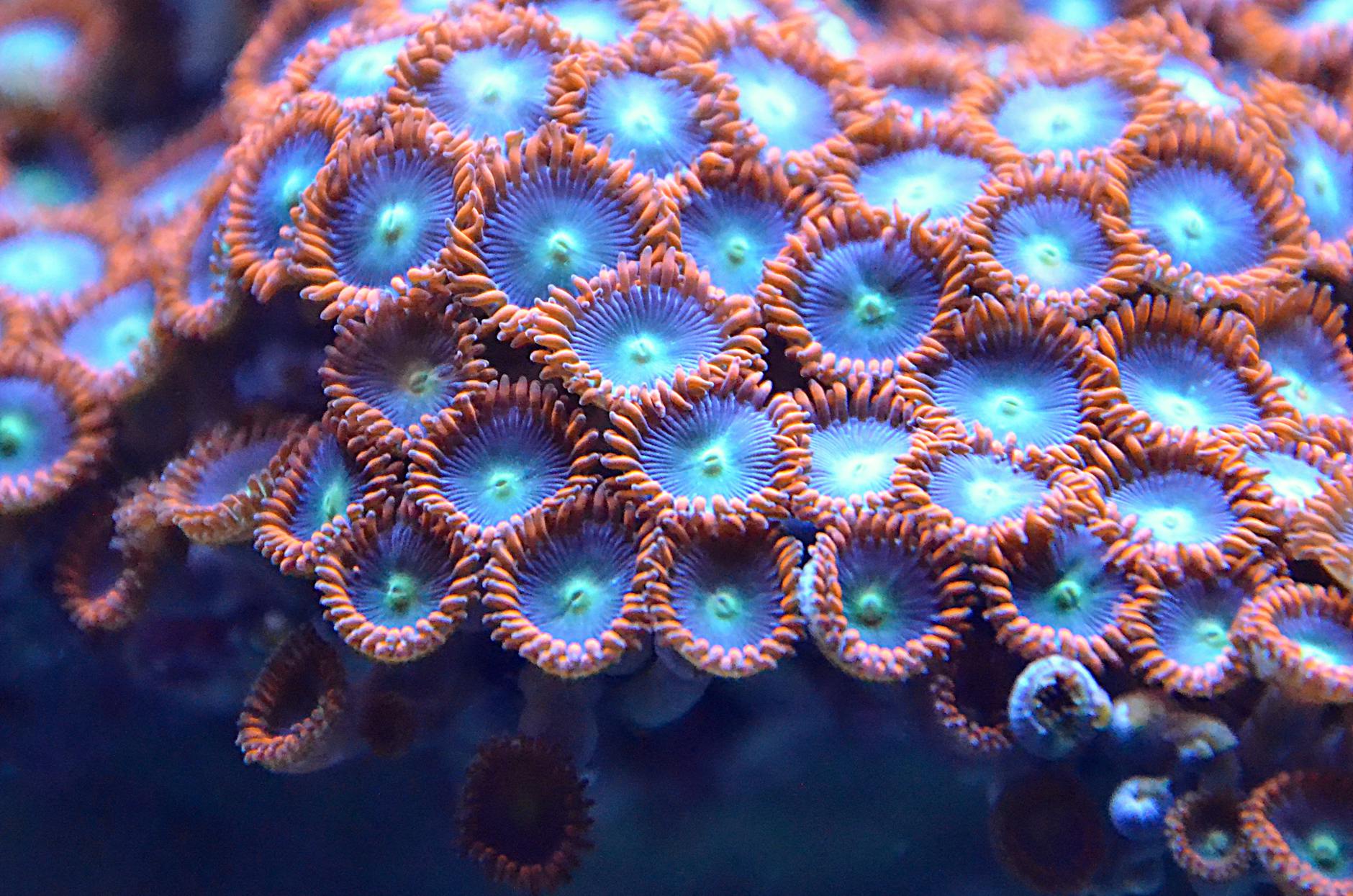
Description:
Zoanthids and Palythoa corals are small, colorful polyps that form dense mats. They come in a wide variety of colors and patterns, making them a favorite among reef keepers. Honestly my Zoa’s have never done very well. I believe that it is due to having lower levels of nutrients in the water. In my Pico tank I’m working on growing two different varieties and focusing on spot feeding them Reef-Roids a couple of times a week. I have seen a couple new polyps come up on my Bozo’s Birthday Zoa but my green apple zoas have not changed in size or number in months.
Care Requirements:
- Lighting: Moderate to high.
- Water Flow: Moderate.
- Placement: Can be placed on rocks or substrate.
- Feeding: Primarily photosynthetic but can benefit from occasional feedings of microplankton.
2. Green Star Polyps (GSP)
Description:
Green Star Polyps are bright green corals with a mat-like base and star-shaped polyps. They grow quickly and can cover large areas of rockwork. Again I’ve never had much success with GSP due to lack of nutrients in my tank and my battle with green hair algae in my nano tank. I’ve had the most success with them recently when I gave up trying to control nutrient levels to keep the algae down and have just focused on frequent rigorous manual removal of the GHA.
Care Requirements:
- Lighting: Low to Moderate to high.
- Water Flow: Moderate to high.
- Placement: Preferably on isolated rocks to prevent them from overtaking the tank. You can also place them on the back wall which makes for a cool back ground.
- Feeding: Mostly photosynthetic; occasional feeding is optional.
3. Mushroom Corals
Description:
Mushroom corals come in various colors and shapes, from smooth to textured surfaces. They are highly adaptable and can thrive in a variety of conditions. The main types of mushroom corals are discosoma, rhodactis, and ricordea. The only type I’ve kept are the ricordea florida species. They are beautiful slow growing corals that are very easy to care for. I like the other varieties as well but never got around to getting any. Discosomas can grow out of control and take over a tank.
Care Requirements:
- Lighting: Low to moderate.
- Water Flow: Low to moderate.
- Placement: Can be placed on rocks or substrate. Some varieties can tank over a tank.
- Feeding: Photosynthetic but will benefit from occasional feeding of small meaty foods.
4. Kenya Tree Coral
Description:
Kenya Tree Coral is a soft coral with a tree-like structure. It is very hardy and can adapt to a range of water conditions. Another coral you have to watch out for invading the entire tank. Kenya tree was my very first coral and I still have the original and tons of babies that have dropped off and moved around the tank. They’re a great first coral and I love the motion they add to the tank.
Care Requirements:
- Lighting: Low to Moderate.
- Water Flow: Moderate.
- Placement: Middle to lower regions of the tank.
- Feeding: Primarily photosynthetic; occasional feeding of planktonic foods can be beneficial.
5. Xenia Coral
Description:
Xenia corals have pulsing polyps that create a mesmerizing movement in the tank. They grow quickly and can be very forgiving.
Care Requirements:
- Lighting: Moderate.
- Water Flow: Low to moderate.
- Placement: Preferably on isolated rocks to control their spread.
- Feeding: Photosynthetic; supplemental feeding is not necessary.
6. Leather Corals
Description:
Leather corals, such as Toadstool and Finger Leather, have a unique leathery texture. They are robust and can tolerate a wide range of conditions.
Care Requirements:
- Lighting: Moderate to high.
- Water Flow: Moderate.
- Placement: Middle to upper regions of the tank.
- Feeding: Photosynthetic but will benefit from occasional feeding of planktonic foods.
7. Duncan Coral
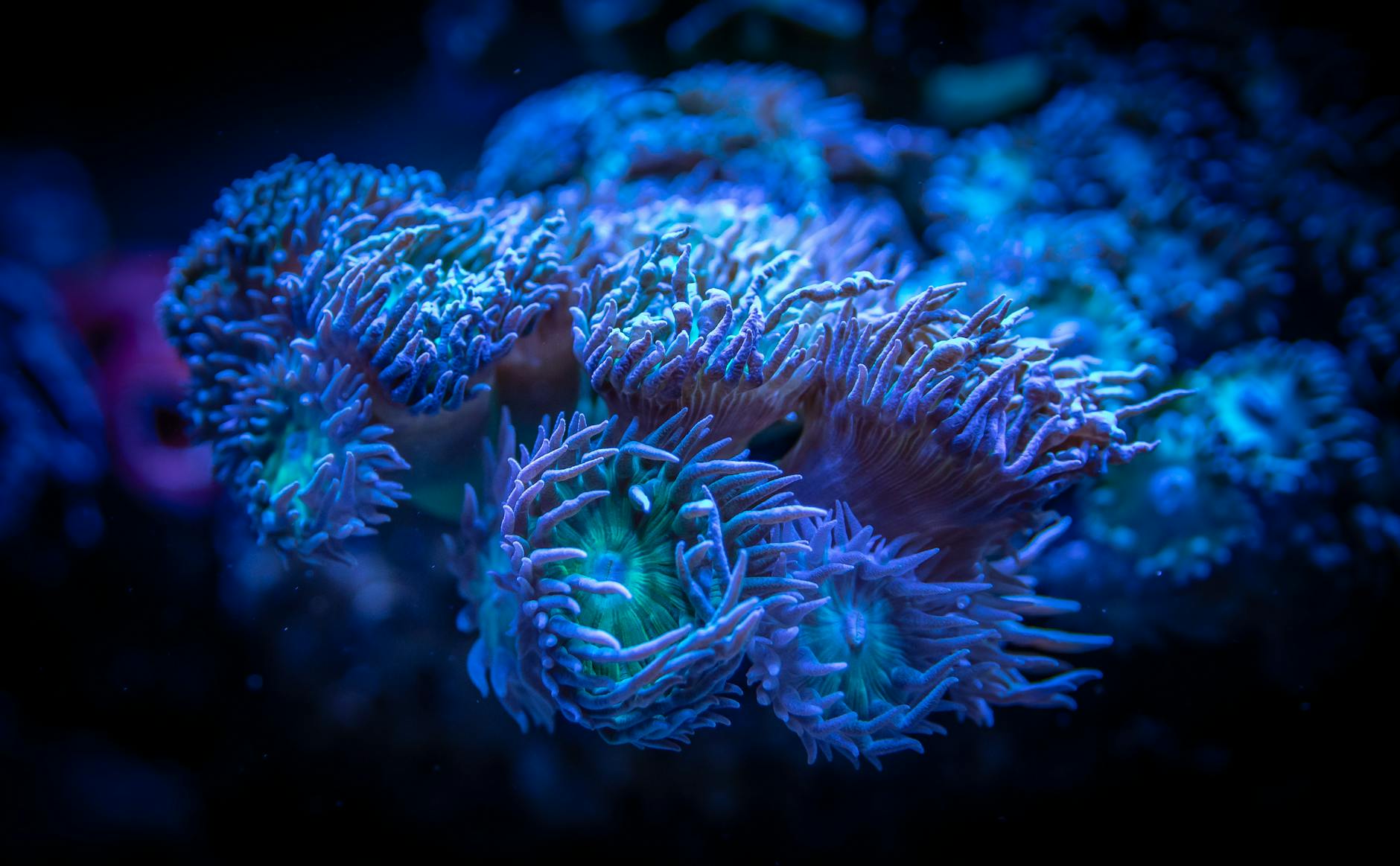
Description:
Duncan corals have large, fleshy polyps with a stony base. They are relatively easy to care for and add a beautiful, flower-like appearance to the tank.
Care Requirements:
- Lighting: Moderate.
- Water Flow: Moderate.
- Placement: Middle regions of the tank.
- Feeding: Benefit from regular feedings of small meaty foods. I like to feed mine 2-3 times a week. I usually feed whatever my fish are getting which is often frozen food. I recommend buying frozen foods from your local fish shop. Shipping makes this otherwise cheap food very expensive.
8. Hammer Coral
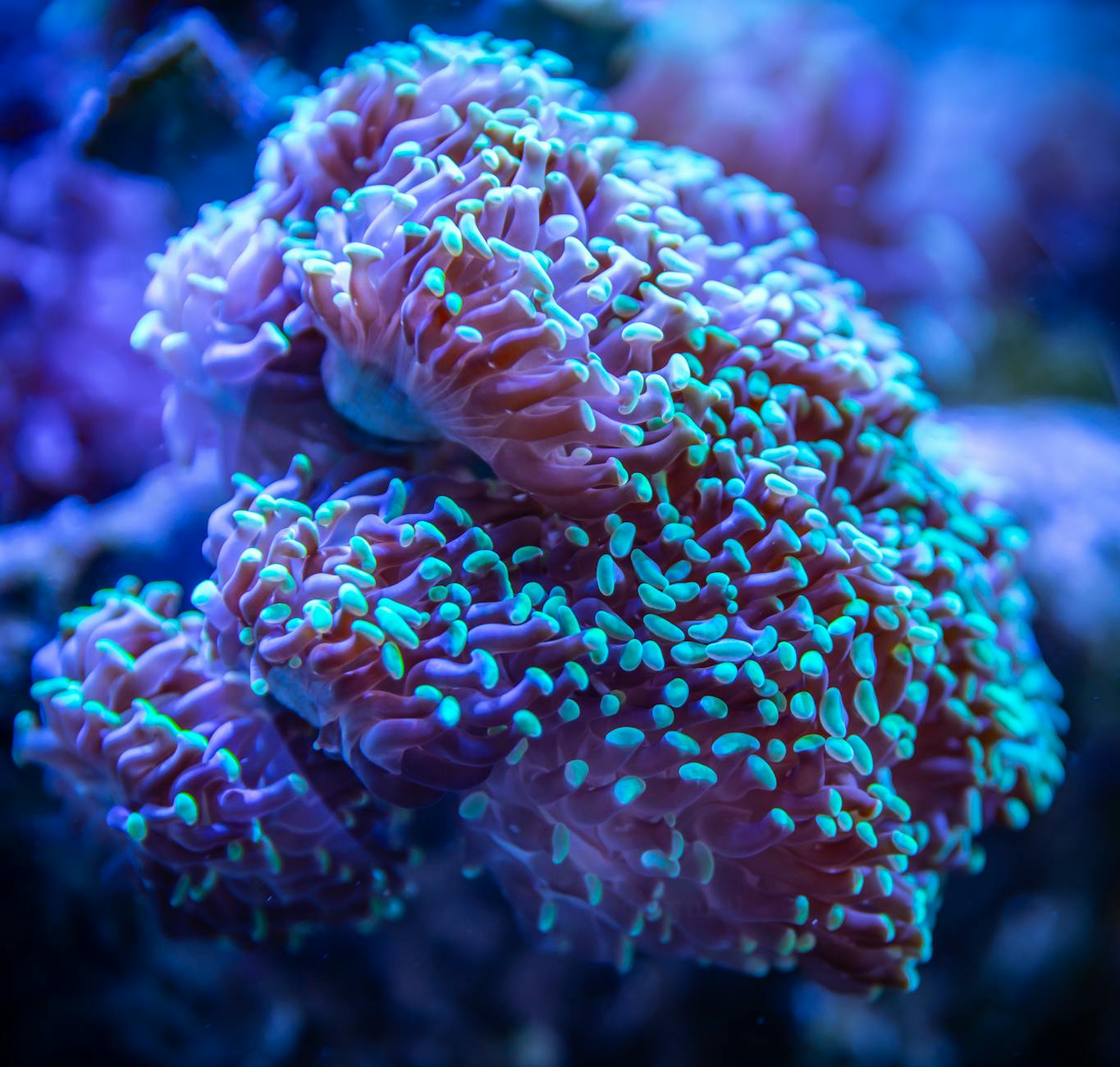
Description:
Hammer corals have distinctive hammer-shaped tentacles and come in various colors. They are relatively hardy for an LPS coral. Another great option is frogspawn and octospawn.
Care Requirements:
- Lighting: Moderate.
- Water Flow: Low to moderate.
- Placement: Lower to middle regions of the tank. Try not to place Euphyllia corals too close to other species of corals. They can send out long sweeper tentacles that will sting their neighbors!
- Feeding: Benefit from regular feedings of meaty foods.
9. Trumpet Coral (Candy Cane Coral)
Description:
Trumpet corals have tubular polyps with a stony base. They are relatively easy to care for and come in various colors, often green or blue.
Care Requirements:
- Lighting: Moderate.
- Water Flow: Moderate.
- Placement: Middle regions of the tank.
- Feeding: Benefit from regular feedings of small meaty foods.
10. Bird’s Nest Coral
Description:
Bird’s Nest corals are branching SPS corals known for their intricate, bird’s nest-like structure. They come in various colors, including pink, green, and yellow. These are a great first SPS, I also like some varieties of branching montipora for a first SPS. My bubblegum montipora digitata grows like a weed.
Care Requirements:
- Lighting: High.
- Water Flow: High.
- Placement: Upper regions of the tank.
- Feeding: Primarily photosynthetic but can benefit from occasional feedings of planktonic foods.
Conclusion
Starting a reef tank can be a rewarding experience, especially when you choose hardy corals that are forgiving and easy to care for. The corals listed above are perfect for beginners, offering beauty and resilience as you embark on your reef-keeping journey. With the right care and attention, these corals will thrive and bring vibrant life to your underwater paradise. Happy reefing!
For recommendations on feeding, lighting and flow see my other posts that cover these topics!

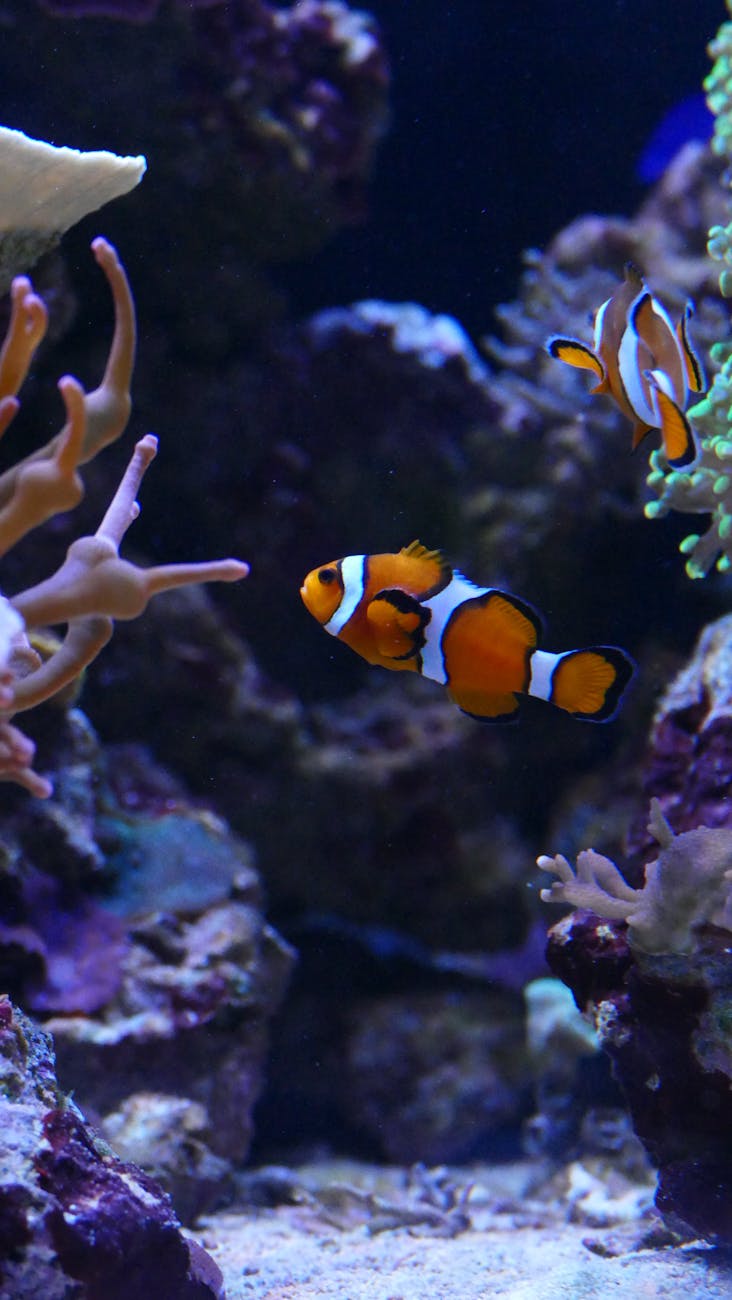
 My AIO Reef
Leave a comment