Introduction
Proper nutrition is crucial for maintaining the health and vibrancy of your reef tank. Both corals and fish have specific dietary needs that, when met, can enhance their growth, coloration, and overall well-being. In this article, we’ll explore the best practices for feeding your reef inhabitants, ensuring that every member of your underwater community thrives. Every critter in your tank is unique but most beginner fish and coral can be fed similar things. Please do research on the specific organism and its care requirements BEFORE adding it to your tank!
Understanding Nutritional Needs
Coral Nutrition:
Corals derive nutrients from two primary sources: photosynthesis and direct feeding. The symbiotic relationship between corals and zooxanthellae algae allows corals to obtain energy through photosynthesis. However, many corals also benefit from capturing and consuming planktonic food. Corals also can uptake nutrients directly from the water column. If you have fish or other animals in your tank they are constantly releasing ammonia (harmful in all but trace amounts) and other nutrients that your corals need. You can feed most coral whatever you’re feeding the fish as long as its small enough for the polyps.
Fish Nutrition:
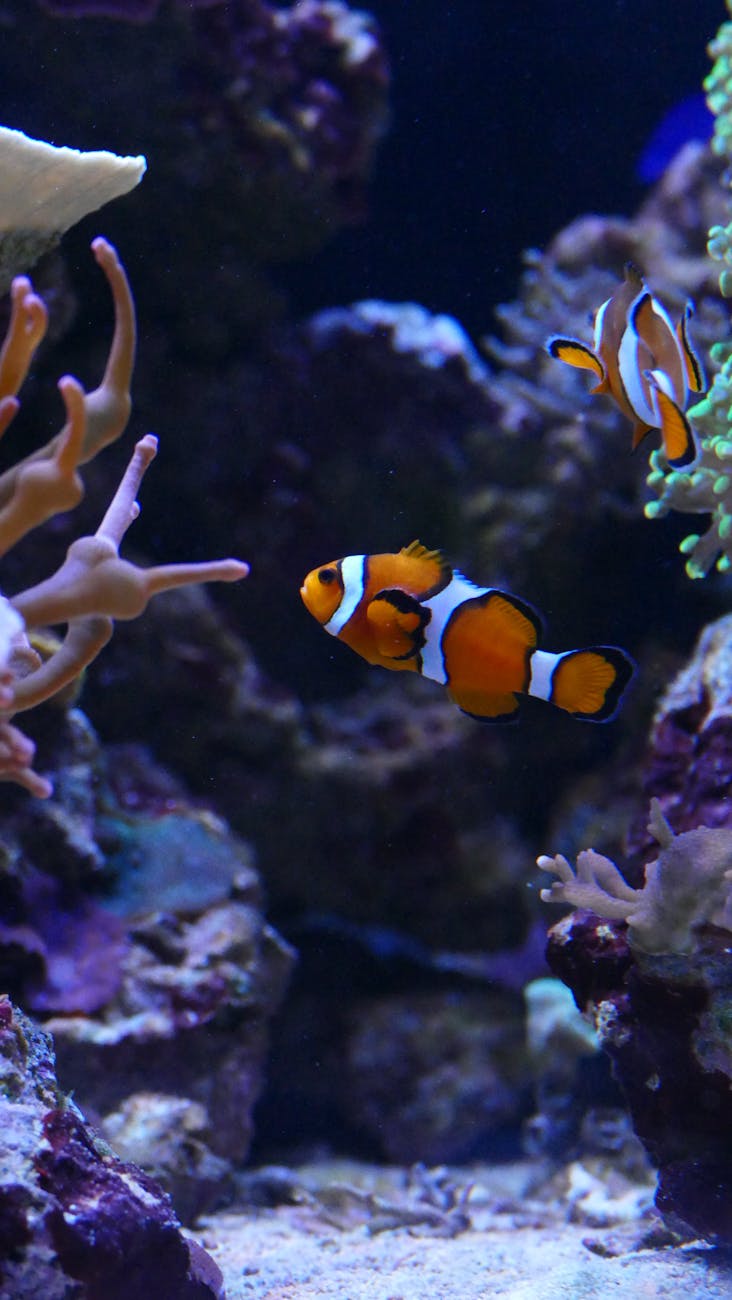
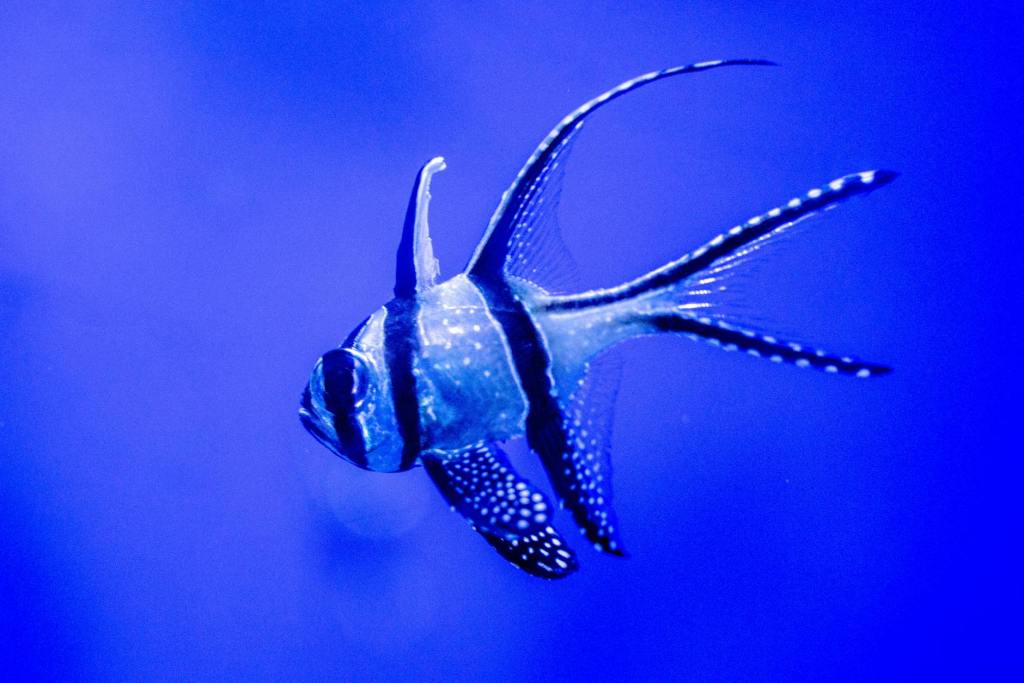
Fish in reef tanks have varied dietary requirements based on their species. Some are herbivores, others are carnivores, and many are omnivores. Providing a balanced diet that mimics their natural food sources is key to their health. Do research on your specific fish before you get the fish. Certain fish can be very picky and may only take live foods. Some fish need food available constantly. Their needs really to vary a lot.
Types of Coral Food
1. Phytoplankton:
Phytoplankton are microscopic plants that serve as a food source for filter-feeding corals and other invertebrates. Regular dosing of phytoplankton can boost the health of your corals and improve water quality by promoting a healthy microfauna population.
2. Zooplankton:
Zooplankton are tiny animal organisms that many corals feed on. Products like rotifers and copepods are excellent choices for feeding corals such as Goniopora, Acans, and SPS corals.
3. Coral-Specific Foods:
Commercially available coral foods are specially formulated to provide a balanced mix of nutrients. Brands like Reef-Roids and Coral Frenzy offer convenient options for feeding a variety of corals.
4. Liquid Foods:
Liquid coral foods, such as amino acid supplements and concentrated nutrient solutions, can enhance coral growth and coloration. These are typically dosed directly into the tank or target-fed to specific corals.
Types of Fish Food
1. Flake and Pellet Food:
High-quality flake and pellet foods are staple diets for many reef fish. Look for options enriched with vitamins and minerals to support overall health.
2. Frozen Food:
Frozen foods like brine shrimp, mysis shrimp, and krill provide excellent nutrition for carnivorous and omnivorous fish. Thaw the food in tank water before feeding to avoid introducing excess nutrients.
3. Live Food:
Live foods such as feeder shrimp, blackworms, and copepods can be a great treat for fish, stimulating natural hunting behaviors and providing high nutritional value.
4. Vegetable Matter:
For herbivorous fish like tangs and blennies, providing fresh or dried seaweed, spinach, or spirulina flakes is essential. Use a veggie clip to hold seaweed in place and encourage grazing.
Feeding Techniques
1. Target Feeding:
Target feeding involves using a pipette or turkey baster to deliver food directly to corals or specific fish. This method ensures that food reaches the intended recipient without being lost to filtration or scavengers.
2. Broadcast Feeding:
Broadcast feeding involves dispersing food throughout the tank, allowing it to be available to all inhabitants. This method is suitable for feeding planktonic foods and can help sustain filter feeders.
3. Feeding Rings:
Using feeding rings or stations can help contain flake or pellet food in a specific area, reducing waste and encouraging fish to feed in one spot.
4. Automated Feeders:
For convenience, automated feeders can be programmed to dispense food at set intervals. This is particularly useful for maintaining a consistent feeding schedule when you’re away.
Feeding Schedules and Portion Control
Fish Feeding Schedule:
- Feed small amounts 2-3 times daily, observing how much is consumed within a few minutes.
- Adjust portions based on fish activity and appetite to avoid overfeeding, which can lead to water quality issues.
Coral Feeding Schedule:
- Feed corals 2-3 times a week, focusing on the evening or nighttime when many corals extend their polyps for feeding.
- Adjust the frequency based on coral response and overall tank nutrient levels. I usually only feed certain coral and usually just once or twice a week. I try to feed my zoas, duncan, and rock flower anemones about twice a week.
- The smaller the tank the riskier it is to feed often. You’re more likely to do harm than good when coral feeding. Too much will just pollute your water. Once you start feeding your really need to make sure your parameters are in check and do water changes regularly or as needed.
Supplements and Additives
In addition to regular feeding, supplements like amino acids, trace elements, and vitamins can support the health of both corals and fish. Regular dosing of these supplements can enhance growth, coloration, and overall vitality.
Conclusion
Feeding your reef tank inhabitants properly is a balance of providing the right types of food in appropriate quantities. By understanding the nutritional needs of your corals and fish and adopting best feeding practices, you can ensure a vibrant, thriving reef tank. Happy reefing, and may your corals and fish flourish with every meal!

 My AIO Reef
Leave a comment