
Introduction
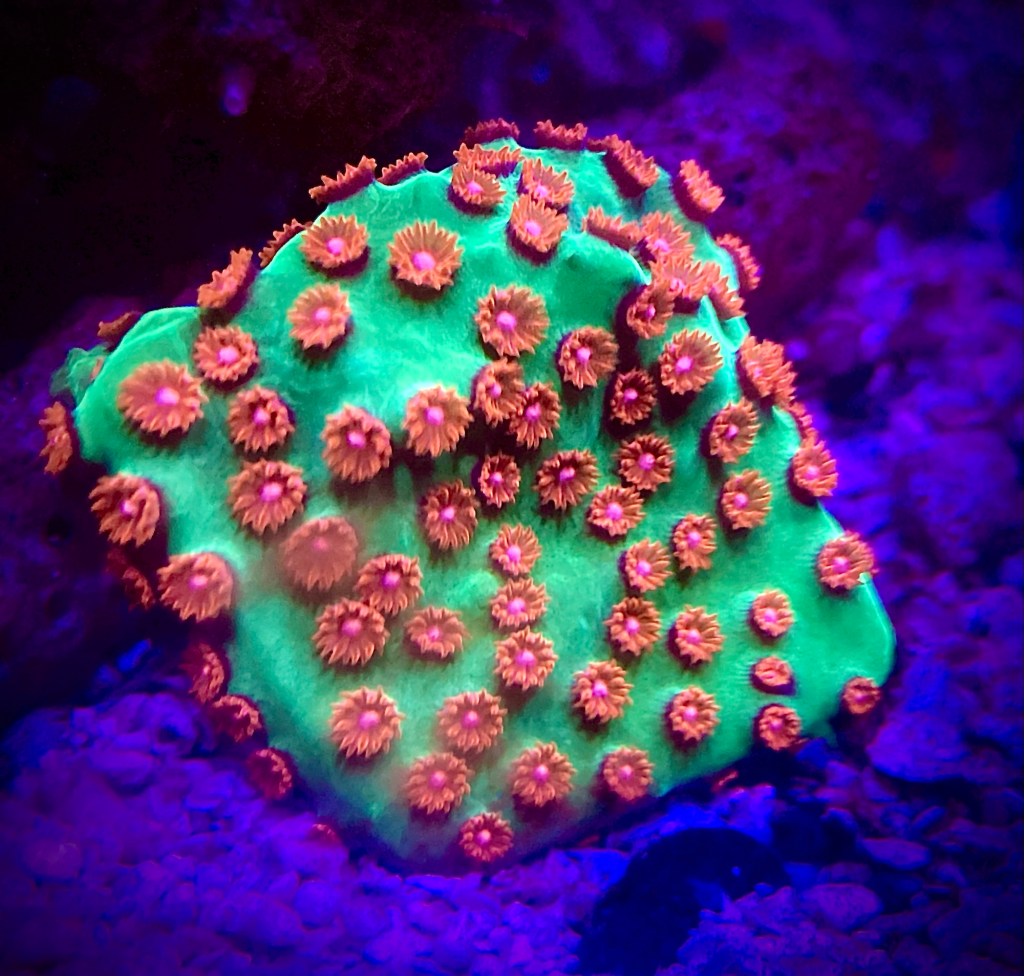
Welcome back, reef enthusiasts! Today, we dive into the vibrant and intriguing world of Cyphastrea corals. Known for their hardy nature, rapid growth, and stunning colors, these corals are a fantastic addition to any reef tank, whether you’re a seasoned aquarist or a beginner looking to add some diversity to your underwater garden.
What are Cyphastrea Corals?
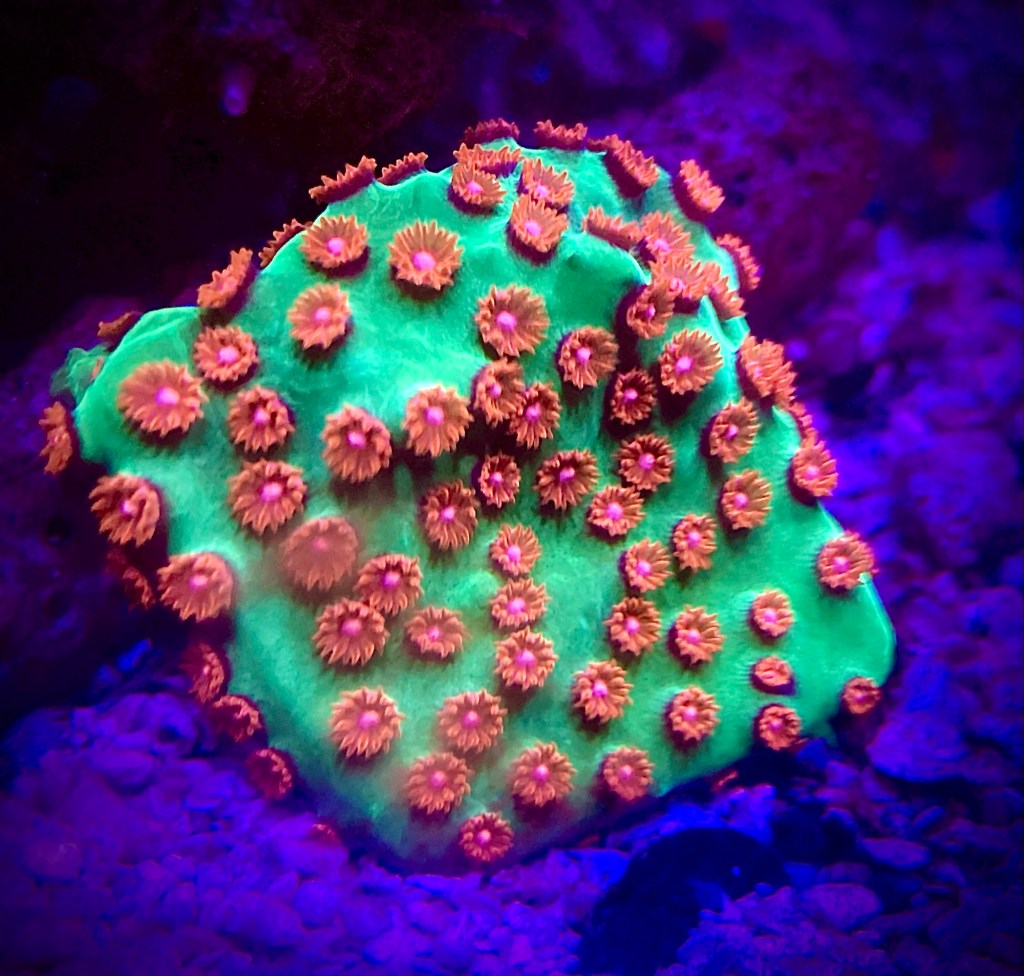
Cyphastrea corals are large polyp stony (LPS) corals, belonging to the family Merulinidae. They are native to the Indo-Pacific region and can be found in a variety of environments, from shallow reef flats to deeper reef slopes. Their distinctive encrusting and sometimes branching growth forms, coupled with their vibrant hues, make them a popular choice among reef tank hobbyists.
Appearance and Varieties

One of the most striking features of Cyphastrea corals is their wide range of colors and patterns. They come in shades of green, blue, red, and orange, often with contrasting polyps that add to their visual appeal. Some popular varieties include:
- Meteor Shower Cyphastrea: Known for its blue base and bright red polyps.
- Bizarro Cyphastrea: Features a unique combination of purple and yellow.
- Hollywood Stunner Cyphastrea: Displays a beautiful blend of green and purple.
Rapid Growth and Management
Cyphastrea corals are known for their fast growth rate. They can quickly encrust over rockwork and other surfaces, potentially overtaking large areas of your tank if not managed properly. While this rapid growth can be advantageous for creating a vibrant and full reefscape, it can also pose challenges if left unchecked.
To prevent Cyphastrea from overtaking your tank, consider the following management strategies:
1. Isolation:
Placing Cyphastrea corals on isolated rocks or frag plugs can help contain their growth. By keeping them on separate structures, you can control the areas they encrust and avoid unwanted spread onto neighboring corals or rockwork.
2. Regular Trimming:
Periodic trimming of the coral can help manage its size and shape. Using coral cutters or a bone saw, carefully trim back overgrown areas. The removed fragments can be propagated into new colonies or shared with fellow reef enthusiasts.
3. Strategic Placement:
Position Cyphastrea corals in areas of the tank where their growth can be easily monitored and managed. Avoid placing them too close to other corals, especially those that are less aggressive or slower-growing, to prevent competition and overgrowth.
Care and Maintenance
Cyphastrea corals are relatively easy to care for, making them an excellent choice for reef tank enthusiasts of all experience levels. Here are some key points to ensure your Cyphastrea thrives:
1. Light Requirements:
Cyphastrea corals prefer moderate to low lighting. While they can adapt to higher light levels, it’s crucial to acclimate them slowly to avoid bleaching. LED lighting systems are ideal as they allow for precise control of light intensity and spectrum.
2. Water Flow:
Moderate water flow is ideal for Cyphastrea corals. They need enough flow to keep detritus from settling on them but not so strong that their delicate polyps are constantly retracted. Adjustable powerheads can help achieve the perfect flow conditions.
3. Water Parameters:
Maintaining stable water parameters is essential for the health of Cyphastrea corals. Aim for the following ranges:
- Temperature: 75-80°F (24-27°C)
- Salinity: 1.025-1.026 specific gravity
- pH: 8.1-8.4
- Alkalinity: 8-12 dKH
- Calcium: 400-450 ppm
- Magnesium: 1250-1350 ppm
Regular testing and supplementation, if necessary, will help maintain these levels. See my post on testing equipment for recommendations!
4. Feeding:
While Cyphastrea corals primarily rely on photosynthesis via their symbiotic zooxanthellae, they can benefit from occasional feeding. Providing them with planktonic foods such as rotifers, powdered foods, or specialized coral foods can enhance their growth and coloration.
Placement and Compatibility
Cyphastrea corals are versatile when it comes to placement within the tank. They can be positioned on rockwork, frag plugs, or even the tank floor. Their encrusting growth habit allows them to cover surfaces beautifully, creating a living mosaic of color.
When considering tank mates, Cyphastrea corals are generally peaceful and can coexist with most other corals. However, it’s wise to avoid placing them too close to aggressive corals that may overtake or damage them with sweeper tentacles.
Propagation
One of the rewarding aspects of keeping Cyphastrea corals is their ease of propagation. Simply cutting a small fragment from the main colony and attaching it to a frag plug or another suitable substrate with reef-safe glue will usually result in a new colony. With proper care, these frags will grow and encrust, adding to the beauty of your reef tank.
Conclusion
Cyphastrea corals are a captivating and hardy addition to any reef tank. Their stunning colors, rapid growth, and ease of care make them a favorite among reef enthusiasts. By managing their growth through isolation, trimming, and strategic placement, you can enjoy the full beauty of these corals without them overtaking your tank. Whether you’re just starting out or looking to expand your collection, Cyphastrea corals are sure to bring a splash of color and life to your underwater world.
Happy reefing, and until next time, keep your tanks vibrant and thriving!

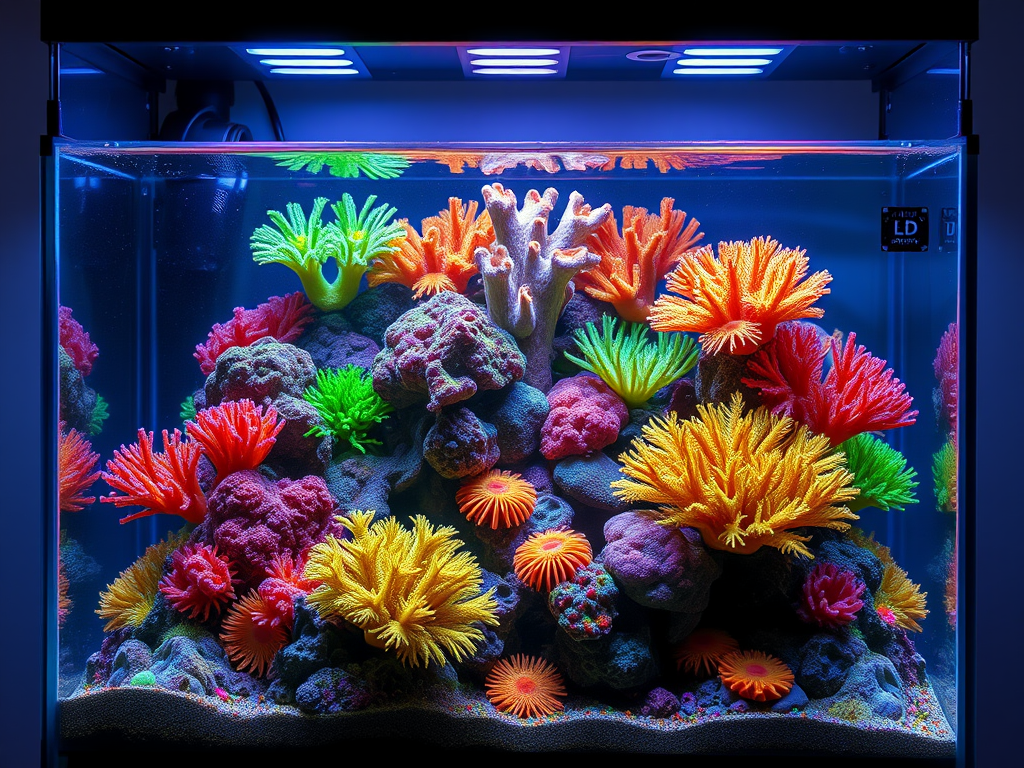
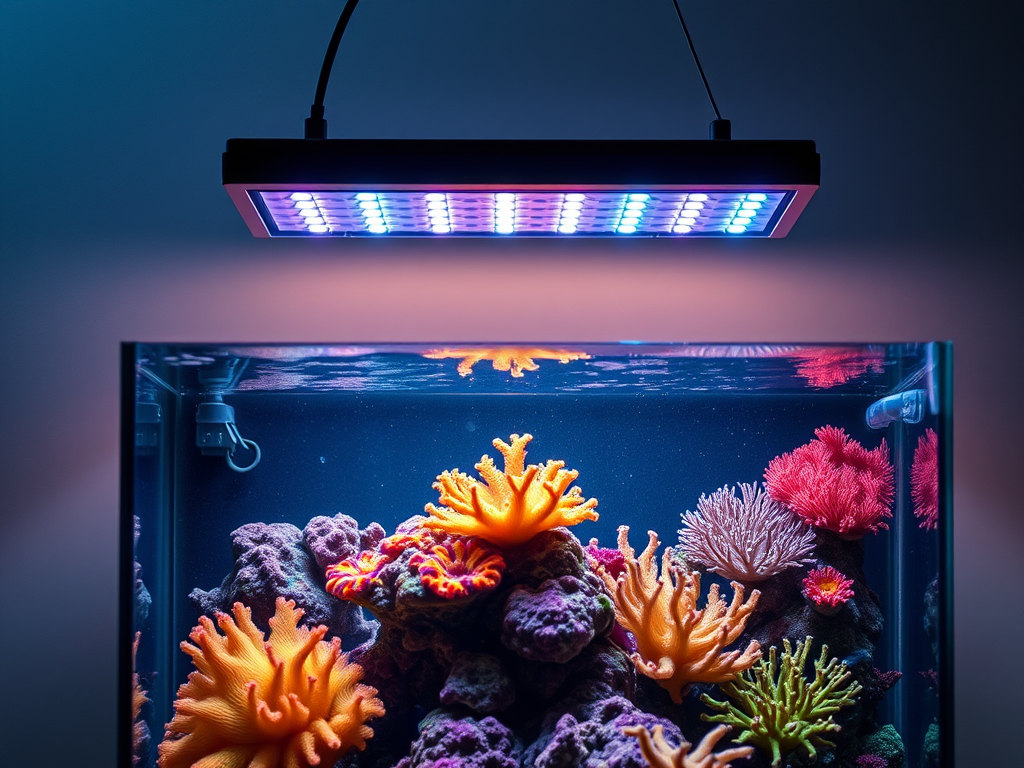

 My AIO Reef
Leave a comment