
Welcome to another edition of our reef tank aquarium blog! Today, we’re diving into the vibrant world of clown gobies, specifically those from the Gobiodon genus. These small, colorful fish are not only a joy to watch but also an excellent choice for small pico tanks. Let’s explore why these tiny marine gems are perfect for your miniature underwater paradise, including the popular green and yellow clown gobies.
Size and Appearance
Clown gobies are petite fish, typically growing to a maximum length of just 1.5 inches. Their diminutive size makes them ideal inhabitants for small reef tanks, including pico tanks, which are generally defined as aquariums under 5 gallons. Despite their small stature, clown gobies boast striking colors and patterns, ranging from bright yellows and greens to blues and even multi-colored varieties. This vibrant palette adds a splash of color to any reef setup, making them a visually appealing choice for aquarists.
Ideal for Pico Tanks
Due to their small size and relatively low bioload, clown gobies are particularly well-suited for pico tanks. Here’s why they thrive in these compact environments:
- Space Efficiency: Their tiny size means they don’t require a lot of swimming space. Clown gobies are more inclined to perch on coral branches or nestle in crevices rather than swim around, making them perfect for smaller tanks where space is at a premium.
- Low Bioload: With a smaller bioload, clown gobies contribute less waste to the tank compared to larger fish. This is crucial in pico tanks where maintaining water quality can be more challenging due to the limited volume of water.
- Behavioral Adaptations: Clown gobies have a unique behavior of perching and hopping among corals, which suits the typically densely aquascaped nature of pico tanks. They are also relatively peaceful and can cohabit with other small, non-aggressive tank mates.
Native Habitat and Wild Behavior
Clown gobies are native to the shallow coral reefs of the Indo-Pacific region, including areas around the Philippines, Indonesia, and the Great Barrier Reef in Australia. They are typically found in and around branching corals, particularly Acropora species, which provide both food and shelter.
In the wild, clown gobies exhibit interesting behaviors:
- Perching and Hiding: They often perch on coral branches, blending in with their surroundings. This behavior helps them avoid predators and makes them less visible to larger fish.
- Territoriality: While generally peaceful, clown gobies can be territorial, especially during breeding. They establish small territories within the coral branches where they reside.
- Feeding: Their diet consists mainly of small zooplankton and tiny invertebrates. They may also pick at algae growing on the coral surface.
Interaction with SPS Corals
One important aspect to consider when keeping clown gobies is their interaction with small polyp stony (SPS) corals. In the wild, they have a symbiotic relationship with these corals, often living among their branches. However, in captivity, they can sometimes pick at SPS corals.
- Occasional Picking: Clown gobies are known to occasionally nip at the polyps of SPS corals. While this behavior is generally minor and does not significantly harm the coral, it can sometimes stress more delicate specimens.
- Mitigation: To minimize this behavior, ensure that the clown gobies are well-fed and that your tank has plenty of coral branches for them to perch on. Providing a variety of food can also help reduce the likelihood of them picking at your SPS corals.
Popular Varieties
Clown gobies come in several vibrant varieties, each adding a unique flair to your aquarium. Two of the most popular types are the green clown goby and the yellow clown goby.
Green Clown Goby (Gobiodon atrangulatus)
The green clown goby is a striking fish with a vivid green coloration that can add a touch of the exotic to your reef tank. This species is known for its bold, almost fluorescent green hue, making it stand out beautifully against the backdrop of corals and live rock. Green clown gobies are peaceful and relatively hardy, making them a favorite among aquarists.
Care Requirements:
- Temperature: 72-78°F
- pH: 8.1-8.4
- Salinity: 1.025
- Diet: Frozen mysis shrimp, brine shrimp, and high-quality marine pellets or flakes.
Yellow Clown Goby (Gobiodon okinawae)
The yellow clown goby is another popular variety, distinguished by its bright yellow coloration. This species is particularly eye-catching and can add a sunny, cheerful presence to your reef tank. Yellow clown gobies are known for their playful behavior and are often seen perching on coral branches.
Care Requirements:
- Temperature: 72-78°F
- pH: 8.1-8.4
- Salinity: 1.025
- Diet: Similar to the green clown goby, they thrive on a diet of frozen mysis shrimp, brine shrimp, and high-quality marine pellets or flakes.
Care Requirements
While clown gobies are generally hardy and easy to care for, there are some specific requirements to ensure they thrive in your pico tank:
- Tank Setup: Provide plenty of live rock and branching corals for them to perch on and hide within. They are known to associate closely with coral species, and having a variety of corals can help mimic their natural habitat.
- Water Parameters: Like all marine fish, clown gobies require stable water conditions. Aim for a temperature between 72-78°F, a pH of 8.1-8.4, and salinity around 1.025. Regular water changes are essential to maintain high water quality, especially in smaller tanks.
- Diet: Clown gobies are not picky eaters. They will readily accept a variety of foods including frozen mysis shrimp, brine shrimp, and high-quality marine pellets or flakes. Ensuring a varied diet will help keep them healthy and vibrant.
- Compatibility: While clown gobies are generally peaceful, they can sometimes become territorial with their own kind or similar species. If you wish to keep more than one, make sure your pico tank has enough hiding spots to reduce potential aggression.
Breeding in Captivity
One fascinating aspect of clown gobies is their breeding behavior, which can sometimes be observed even in pico tanks. They are known to lay eggs on coral surfaces, and with proper conditions, you might witness this unique breeding process. Providing a stress-free environment with ample hiding places can encourage breeding behavior.
Conclusion
Clown gobies (Gobiodon spp.) are a delightful addition to any reef tank, and their suitability for small pico tanks makes them a popular choice among aquarists. Whether you choose the vivid green clown goby or the sunny yellow clown goby, their vibrant colors, fascinating behaviors, and manageable care requirements make them perfect for bringing a splash of life to your miniature reef ecosystem. By providing the right environment and care, you can enjoy the beauty and charm of these tiny marine fish in your own home.
Happy reefing, and until next time, keep exploring the wonders of your underwater world!

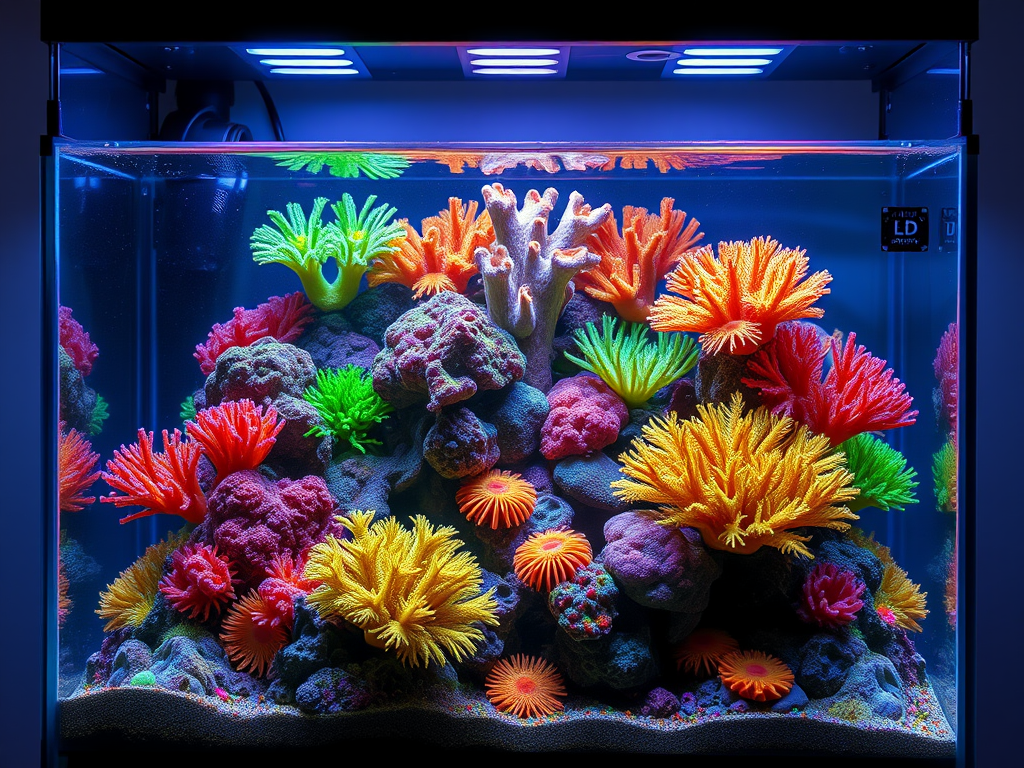
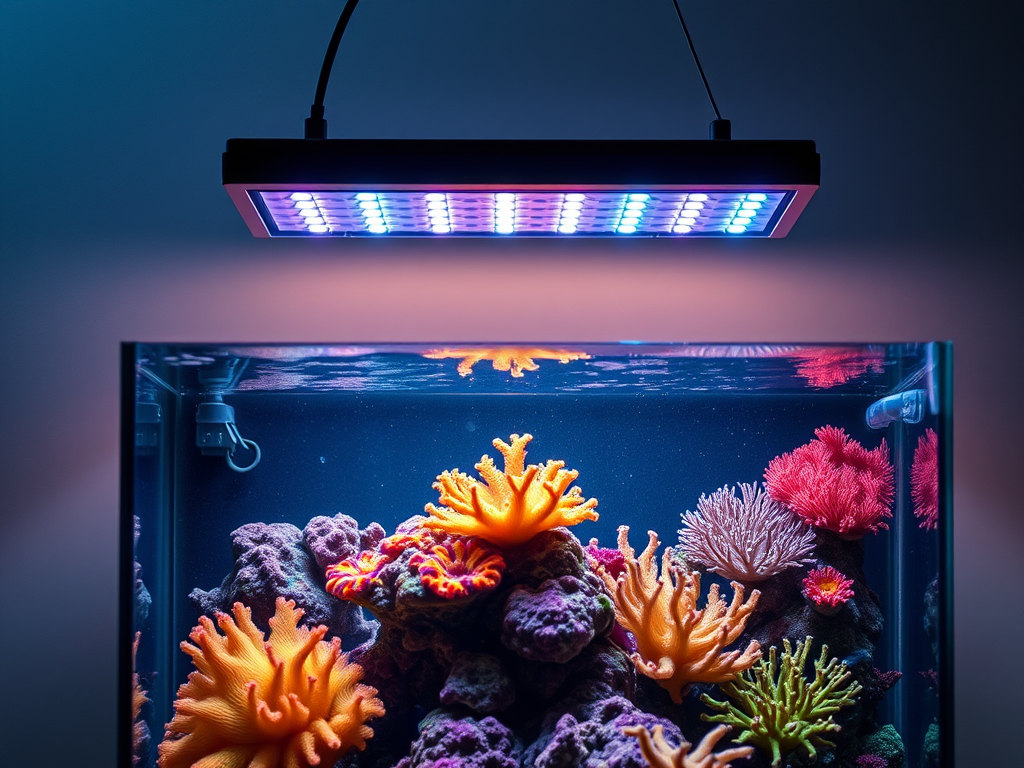
 My AIO Reef
Leave a comment