The emerald crab, a small but fascinating marine creature, has captured the hearts of aquarium enthusiasts and marine biologists alike. Its vibrant green coloration, practical utility in aquariums, and unique behaviors make it a standout species among the diverse inhabitants of the ocean.
A Closer Look at the Emerald Crab
Appearance and Identification
Emerald crabs, scientifically known as Mithraculus sculptus, belong to the family Mithracidae. These crabs are relatively small, with carapaces reaching up to 2 inches in diameter. Their most striking feature is their emerald green color, which gives them their common name. This vivid hue helps them blend in with their natural habitats, predominantly coral reefs and rocky crevices in the Atlantic Ocean and Caribbean Sea.
Habitat and Natural Behavior
In the wild, emerald crabs play a crucial role in maintaining the balance of the reef ecosystem. They are primarily nocturnal, hiding in crevices and under rocks during the day and emerging at night to feed. These crabs are omnivorous scavengers, with a diet that includes algae, detritus, and small invertebrates. Their penchant for consuming algae makes them particularly beneficial in their natural habitats, as they help prevent algae overgrowth, which can smother corals and disrupt the delicate balance of the reef ecosystem.
Role in Aquariums
One of the primary reasons for the emerald crab’s popularity in home aquariums is its effectiveness in controlling nuisance algae, particularly bubble algae (Valonia spp.). These crabs are natural algae eaters, and their introduction into a saltwater tank can significantly reduce algae levels, thereby maintaining a cleaner and healthier environment for other marine inhabitants. However, it’s essential for aquarium owners to monitor their crabs’ behavior, as they can sometimes nip at corals or small fish if their preferred food sources are scarce.
Care and Maintenance in Captivity
Emerald crabs are relatively easy to care for, making them suitable for both novice and experienced aquarium hobbyists. Here are some tips for maintaining healthy emerald crabs in your aquarium:
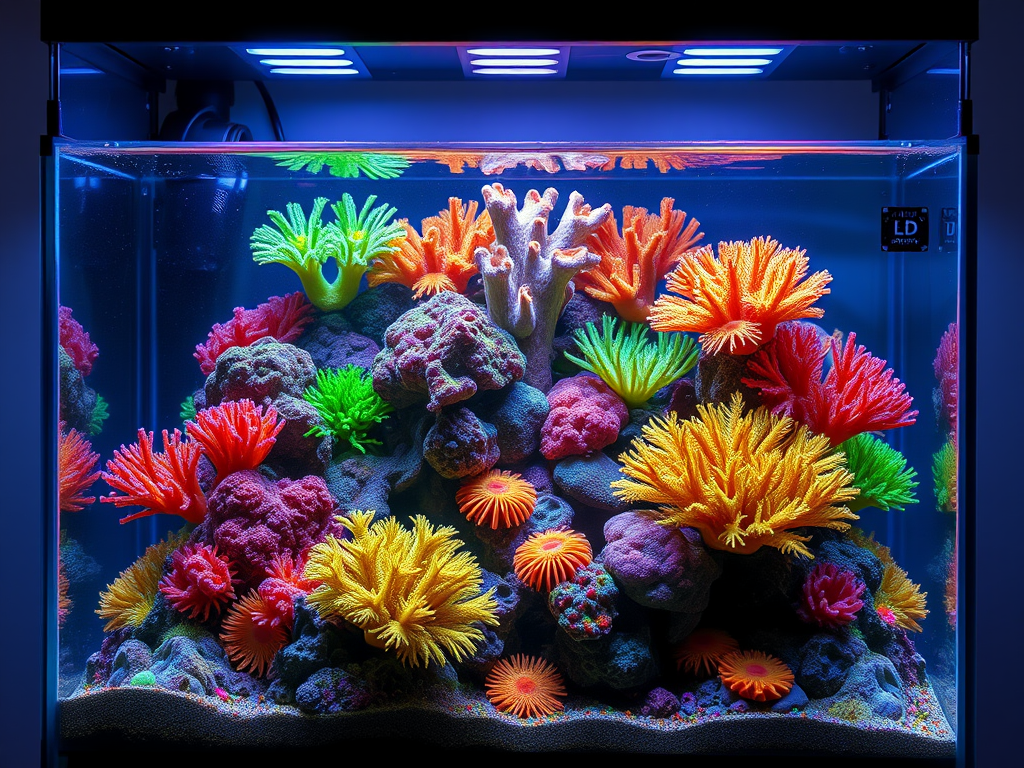
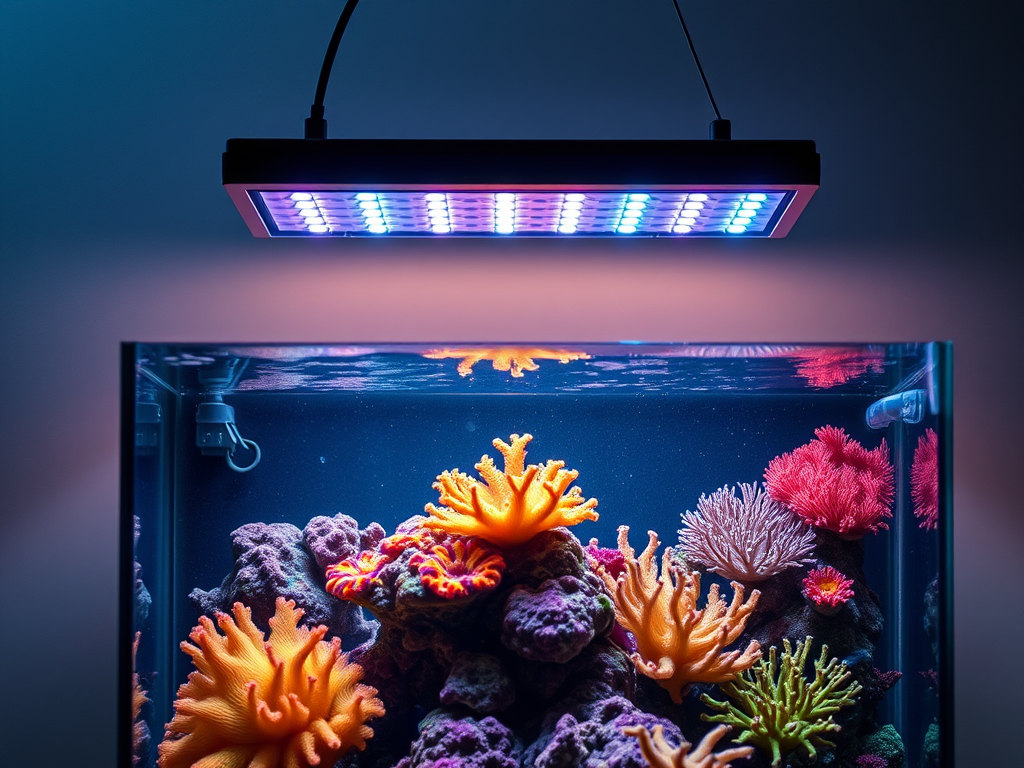
- Tank Size and Setup: A minimum tank size of 20 gallons is recommended to provide ample space for the crab to explore and find food. The tank should be equipped with plenty of live rock and hiding spots to mimic their natural habitat.
- Water Parameters: Maintain stable water conditions with a temperature range of 72-78°F, a pH of 8.1-8.4, and specific gravity between 1.023-1.025. Regular water changes and quality testing are crucial to prevent stress and disease.
- Diet: While emerald crabs will naturally graze on algae in the tank, it’s essential to supplement their diet with additional food sources. Offer a variety of foods, including algae wafers, blanched vegetables, and meaty foods like brine shrimp or mysis shrimp, to ensure they receive a balanced diet.
- Compatibility: Emerald crabs are generally peaceful but can become territorial if space and food are limited. They are best kept with other small, non-aggressive tank mates and invertebrates. Avoid housing them with large, predatory fish that might see them as prey.
Breeding and Lifespan
Breeding emerald crabs in captivity is challenging, as it requires precise conditions and often results in low survival rates for the larvae. In the wild, female emerald crabs carry eggs under their abdomen until they hatch into free-swimming larvae. These larvae undergo several developmental stages before maturing into adult crabs. In captivity, providing a stable environment and a nutritious diet can help maximize their lifespan, which typically ranges from 2 to 4 years.
Conservation and Ecological Importance
Emerald crabs contribute significantly to the health of coral reefs by controlling algae populations, which can otherwise overwhelm and damage these delicate ecosystems. As reef environments face increasing threats from climate change, pollution, and overfishing, the role of emerald crabs and other algae grazers becomes even more critical. Protecting these species and their habitats is essential for preserving the biodiversity and resilience of coral reefs.
Conclusion
The emerald crab is more than just a visually striking addition to marine aquariums; it plays a vital role in maintaining the health of coral reefs and controlling algae growth. By understanding and supporting the care and conservation of emerald crabs, both hobbyists and marine biologists can contribute to the preservation of our planet’s precious marine ecosystems. Whether you’re an aquarium enthusiast looking to add a touch of green to your tank or a nature lover fascinated by marine life, the emerald crab is truly a gem worth appreciating.

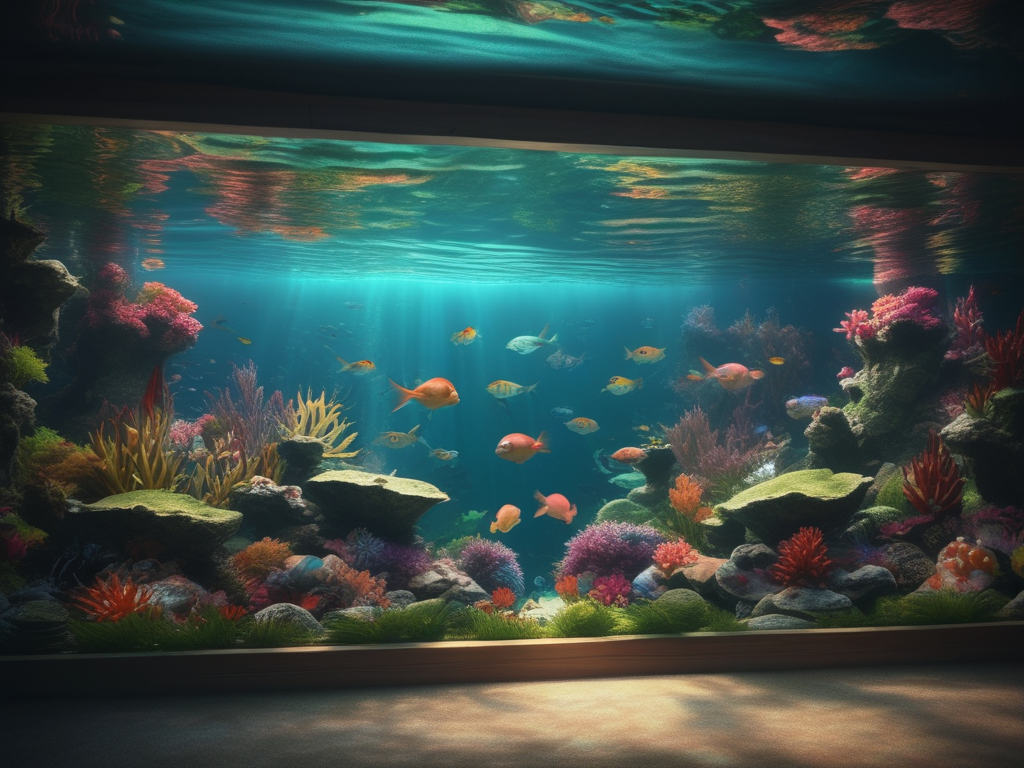

 My AIO Reef
Leave a comment