
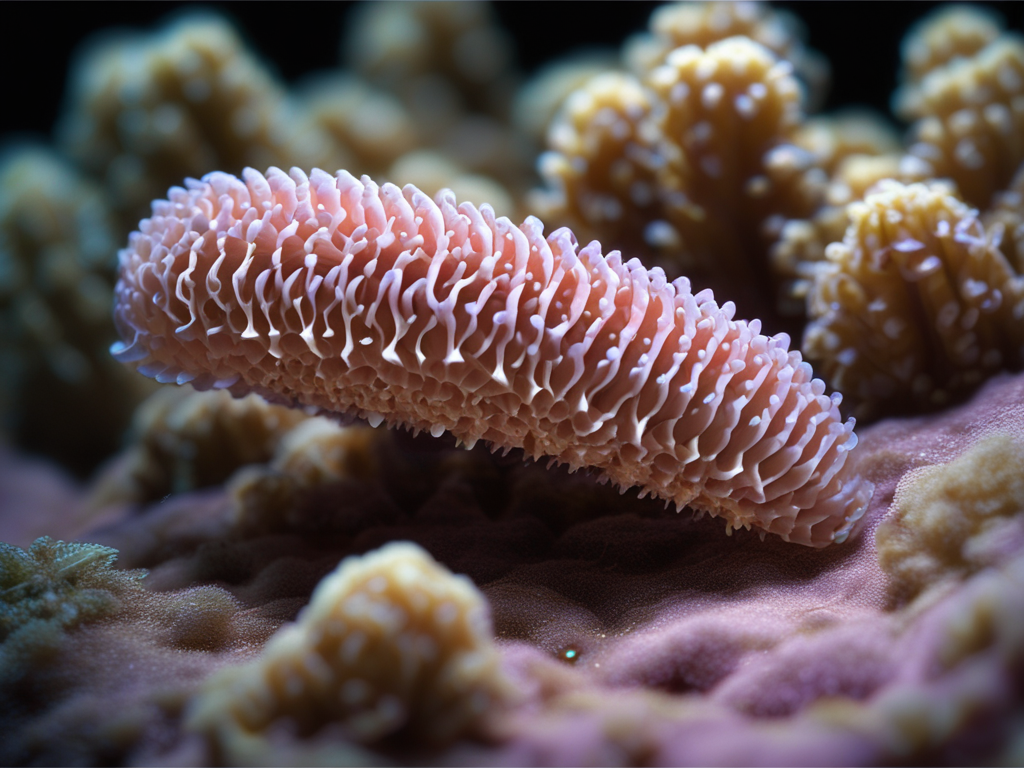
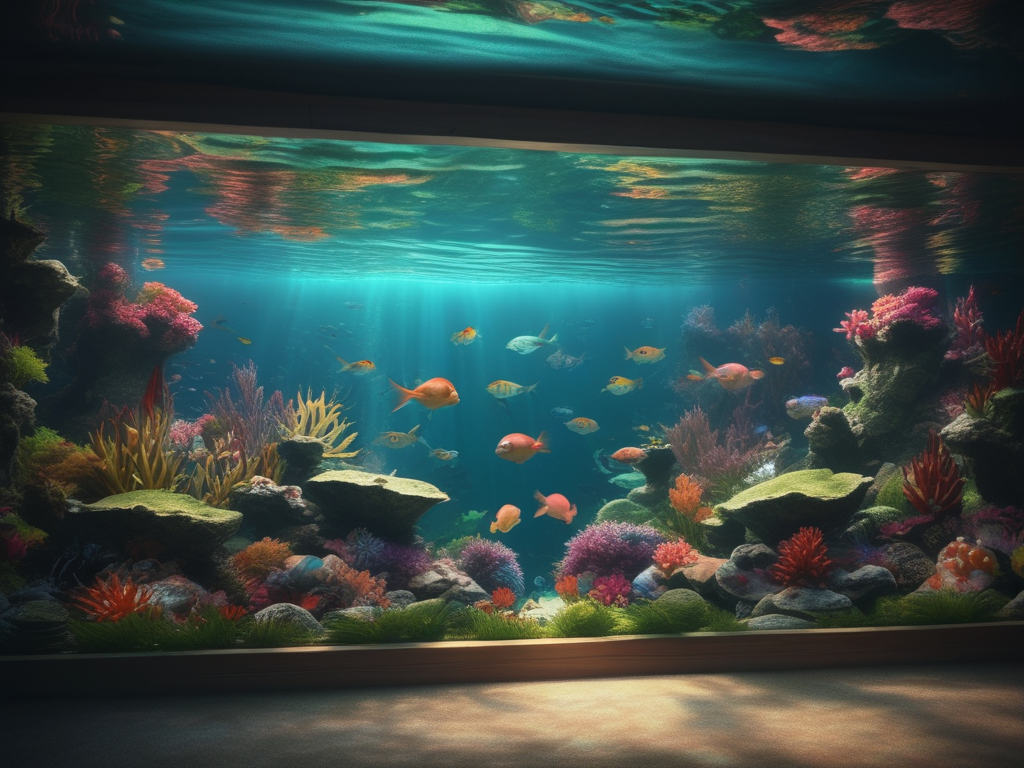
Reef tanks are thriving microcosms that offer endless fascination for marine enthusiasts. Among the myriad of creatures that inhabit these miniature oceans, the peanut worm stands out as an intriguing and beneficial addition. In this article, we’ll delve into the unique characteristics of peanut worms, their role in a reef tank, and tips on how to ensure they thrive in your underwater world.
What Are Peanut Worms?
Peanut worms, or sipunculans, belong to the phylum Sipuncula. These unsegmented, soft-bodied worms can grow up to several inches long, with colors ranging from white to various shades of brown and gray. Their name comes from their appearance when retracted, resembling a peanut.
Anatomy and Behavior
Peanut worms have a distinctive, tubular body with a retractable, anterior introvert, which is often adorned with tentacles. This introvert is used for feeding and can be fully withdrawn into the body, giving the worm its characteristic “peanut” shape.
These worms are primarily nocturnal, emerging from their burrows in the substrate or live rock during the night to feed. They use their tentacles to capture detritus, plankton, and organic matter, playing a crucial role in maintaining the health of your reef tank by aiding in the breakdown of waste.
Benefits of Peanut Worms in Your Reef Tank
- Natural Detritivores: Peanut worms are excellent scavengers, consuming detritus and leftover food. This helps in keeping the substrate clean and reduces the build-up of harmful substances, thus maintaining better water quality.
- Aeration of Substrate: As they burrow, peanut worms aerate the substrate, which is beneficial for the overall health of the tank. This process helps prevent the development of anaerobic zones that can lead to the production of toxic substances.
- Biodiversity: Adding peanut worms to your reef tank enhances its biodiversity. A diverse ecosystem is generally more resilient and better able to cope with changes and potential issues.
Introducing Peanut Worms to Your Reef Tank
Peanut worms often make their way into reef tanks unintentionally, hitchhiking on live rock or sand from established tanks. However, if you want to introduce them deliberately, you can often find them through specialized marine life suppliers.
Here are a few tips to ensure their success:
- Stable Environment: Ensure your tank parameters are stable and suitable for a variety of invertebrates. This includes maintaining appropriate levels of salinity, pH, temperature, and ensuring the absence of harmful chemicals.
- Ample Hiding Spots: Provide plenty of live rock and substrate for peanut worms to burrow into. This not only makes them feel secure but also encourages their natural behavior.
- Feeding: While peanut worms largely feed on detritus, supplementing their diet occasionally with phytoplankton or small particulate foods can help them thrive, especially in newer tanks where natural detritus levels might be lower.
- Avoid Predators: Be mindful of the tank inhabitants. Certain fish and invertebrates may prey on peanut worms. Ensure compatibility before introducing them to avoid unwanted predation.
Observing Peanut Worms
Spotting peanut worms can be a bit of a challenge due to their nocturnal and reclusive nature. However, observing them can be a rewarding experience. Look for their tentacles protruding from the substrate or rock crevices during the evening hours. Over time, you may even spot their full bodies as they venture out to feed.
Conclusion
Peanut worms are a fascinating and beneficial addition to any reef tank. Their scavenging habits, burrowing behavior, and contribution to the ecosystem’s biodiversity make them valuable members of the marine community. By providing a stable and nurturing environment, you can enjoy the benefits of these intriguing creatures while maintaining a healthy and vibrant reef tank.
Whether you’re a seasoned aquarist or a beginner, understanding and appreciating the role of peanut worms can enhance your reef-keeping experience, adding another layer of depth to the captivating world of marine aquaria.

 My AIO Reef
Leave a comment